


Rapidly rising temperatures.
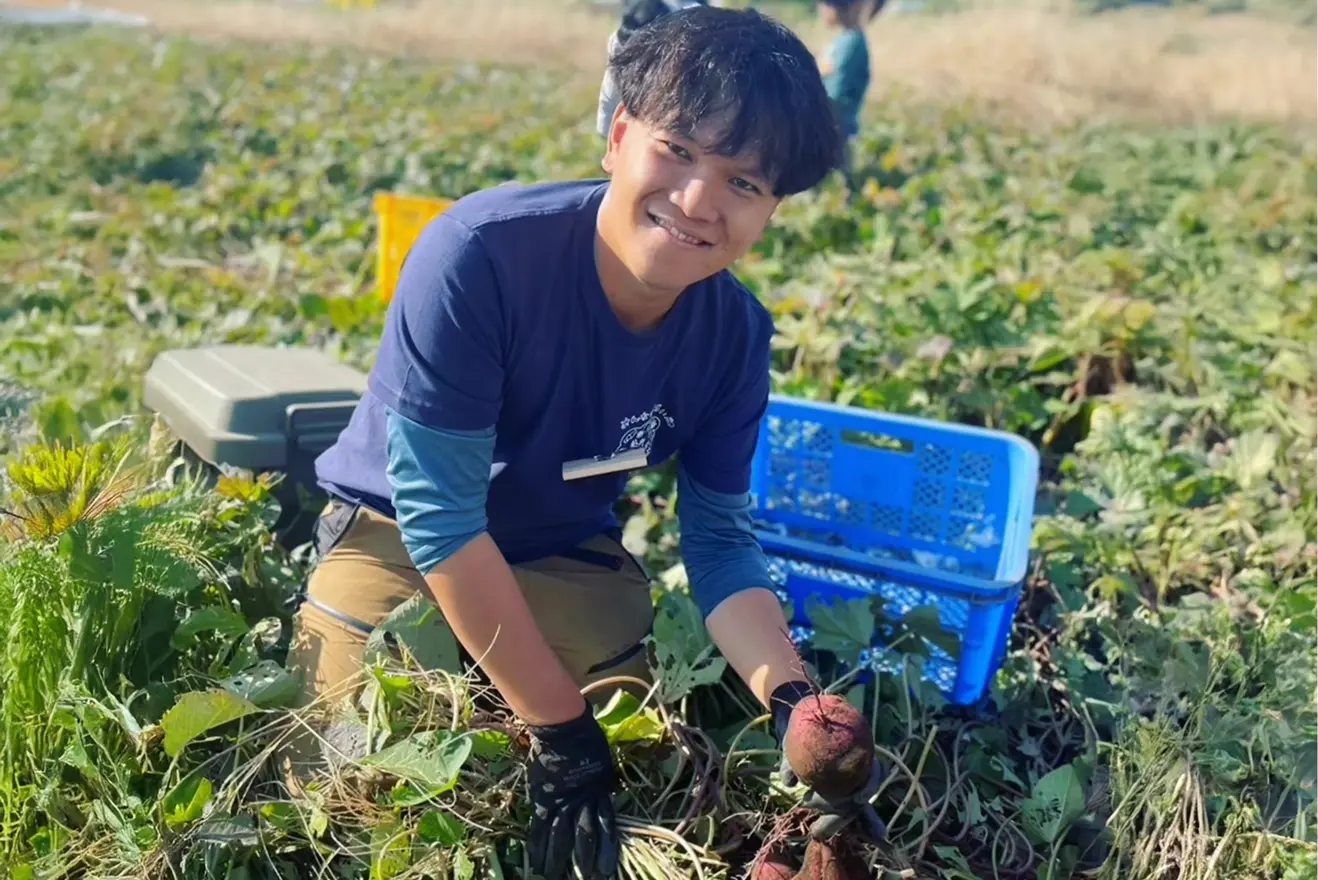
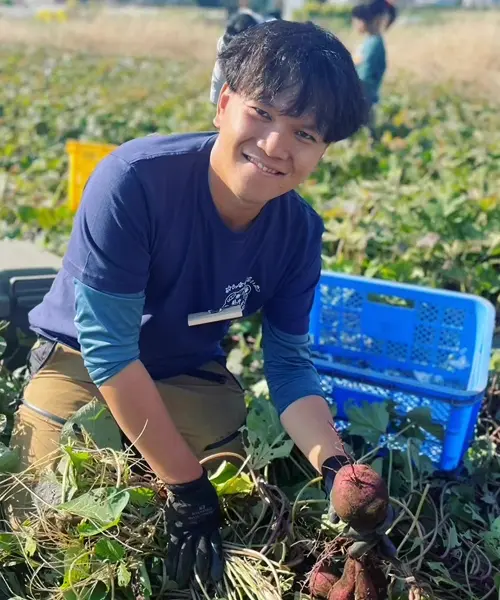
A shortage of agricultural labor.
Climate change has introduced serious challenges to Japan's farming industry — and consequently,
to its unique food culture.
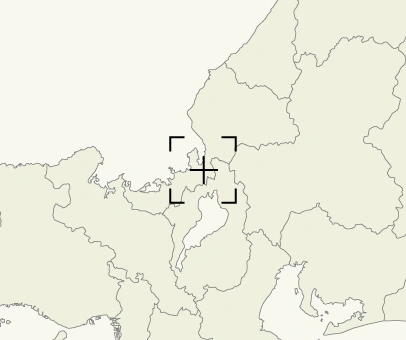
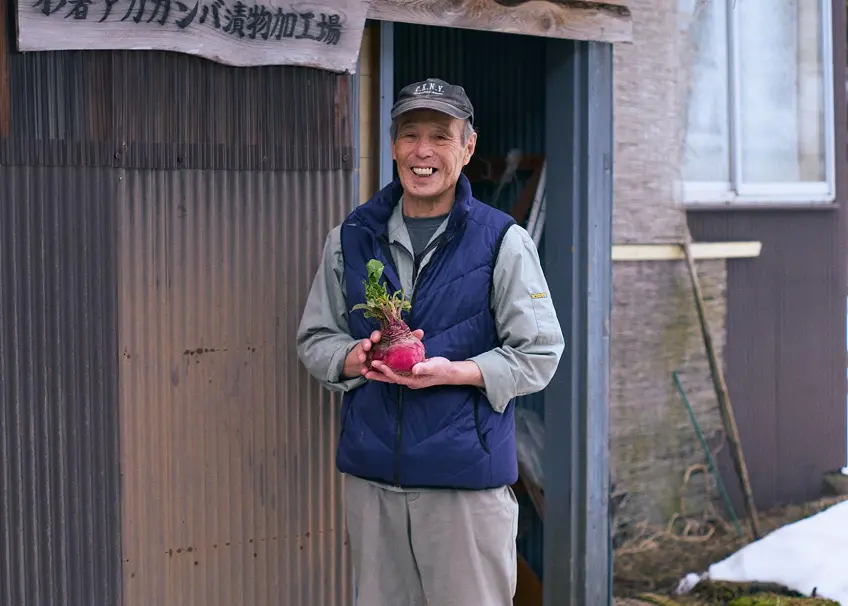
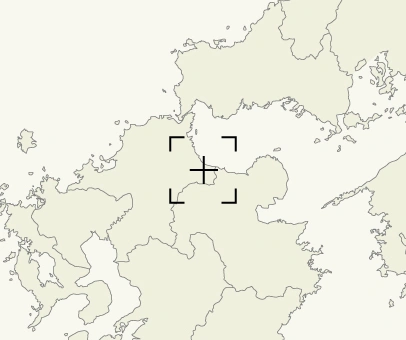
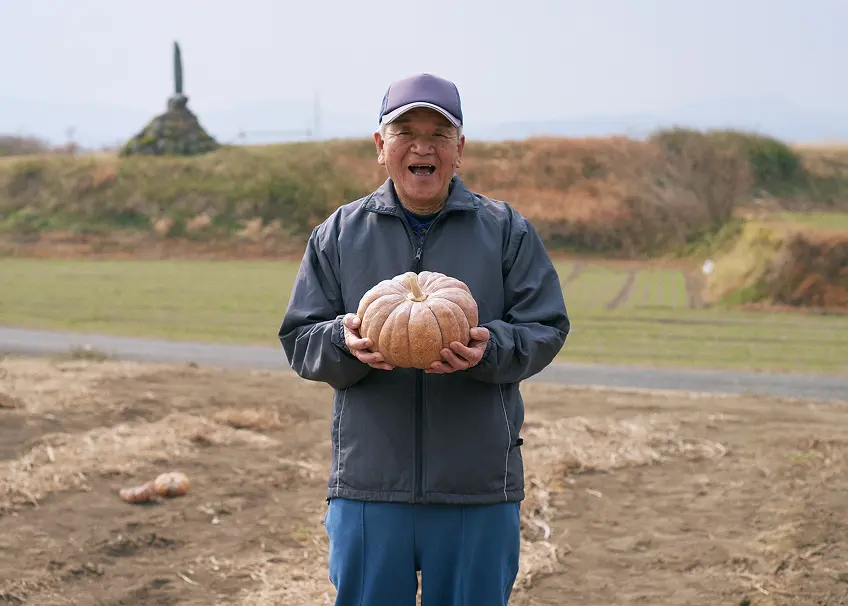
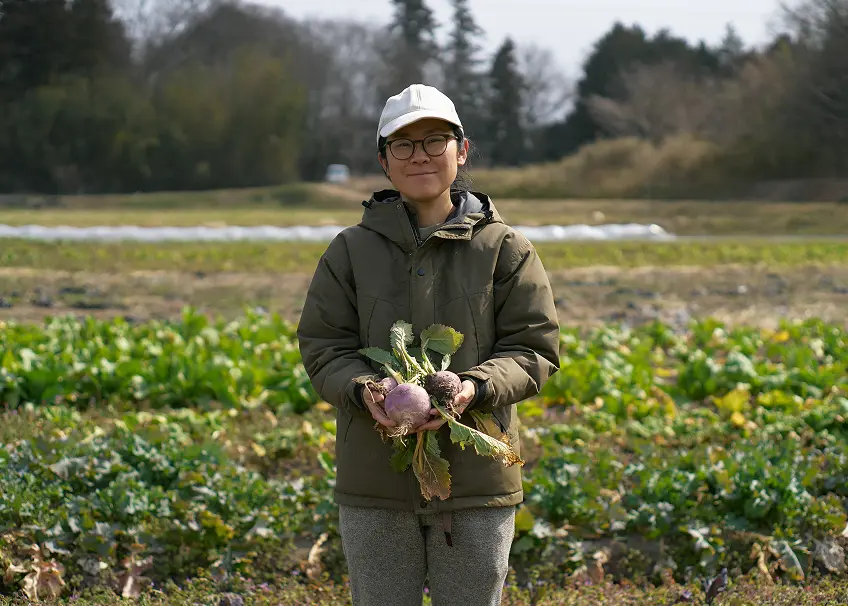
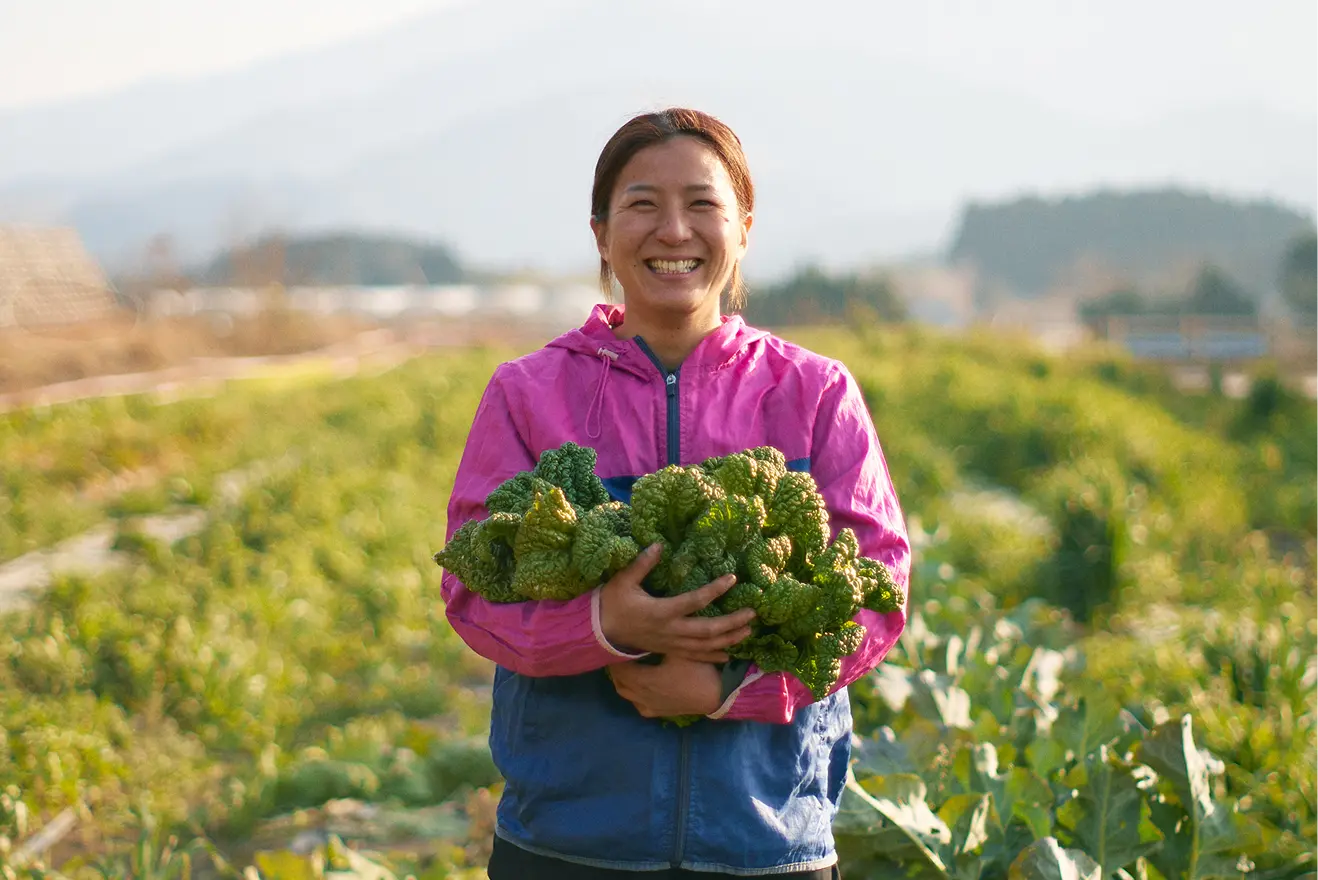
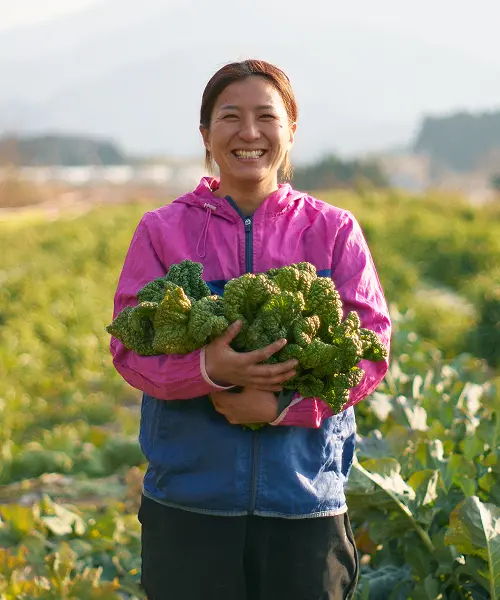
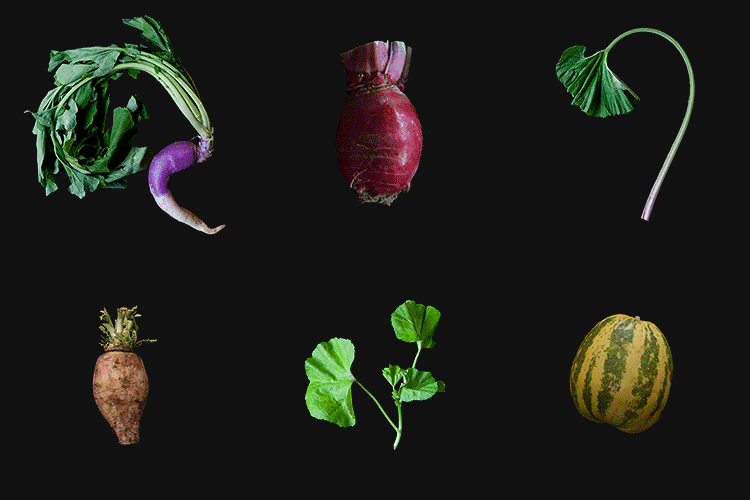
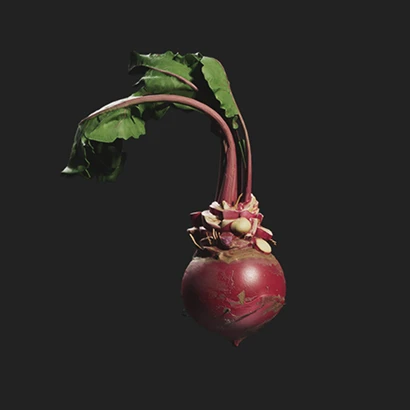
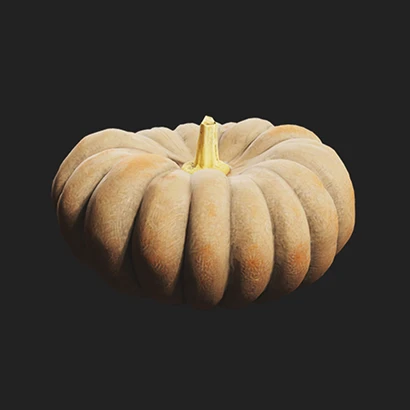
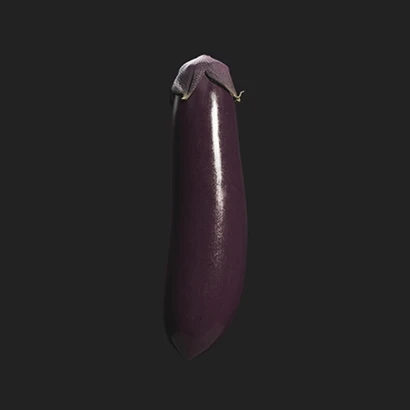
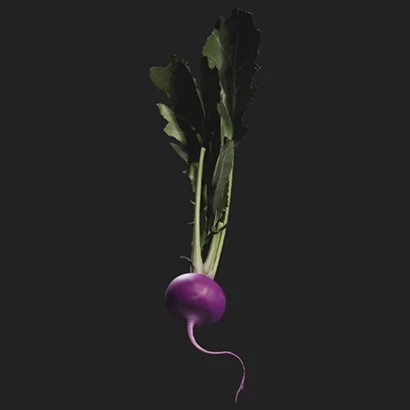
Among the crops most affected are heirloom vegetables, traditional varieties passed down through generations.
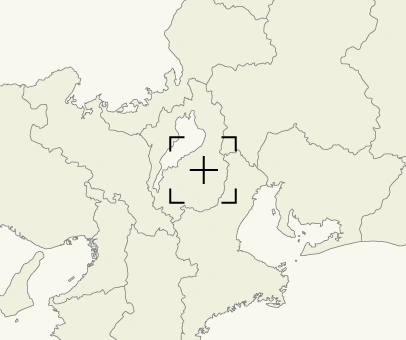
Unlike the mass-distributed varieties commonly found in supermarkets, these are region-specific vegetables, some dating back as far as the Edo period.
These vegetables are staples of dining tables across Japan, representing the unique cuisine of the regions in which they are grown.
Thousands of heirloom varieties have reportedly been lost due to climate change over the past century.
So we launched a project to preserve their future:
"(Un)dangered Vegetables".
An innovative material, SOLAMENT™, is at the heart of the effort.
It can absorb near-infrared light from sunlight, the primary cause of excessive heat.
The technology had long been used for automobiles, and now, it serves another important role.
We created SOLAMENT™ heat-blocking shade nets and have been able to lower soil temperatures inside greenhouses by up to 8.5°C.
We also developed agricultural workwear made with SOLAMENT™ that helps field workers stay comfortable even under extreme heat.
"(Un)dangered Vegetables" aims to ensure that heirloom vegetables and Japan's diverse food culture can thrive for generations to come.
And by offering new solutions to farmers
increasingly impacted by climate change,
we hope to help pave a more stable future for the agricultural industry worldwide.